

Protecting your home and car in Chapter 7 bankruptcy: understanding exemptions and asset retention strategies
Navigating Chapter 7 bankruptcy can be a daunting experience, especially when it comes to protecting your most valuable assets, such as your home and car. Understanding the exemptions available under California law is crucial for anyone looking to retain their property during bankruptcy proceedings. This article will delve into the various strategies and exemptions that can help safeguard your home and vehicle, ensuring you can maintain your quality of life even in financial distress. We will explore the California Homestead Exemption, vehicle exemptions, the role of secured debt, and practical steps to take during the bankruptcy process. By the end of this guide, you will have a comprehensive understanding of how to protect your assets effectively.
How California exemptions protect your home & car in Chapter 7

The California Homestead Exemption is a legal provision that allows homeowners to protect a certain amount of equity in their primary residence during bankruptcy. This exemption is crucial for individuals seeking to retain their homes while discharging unsecured debts. As of 2023, the exemption limit is set at $600,000 for most homeowners, but it can increase to $1,200,000 for those living in high-cost areas, as this amount was updated in 2021. This means that if your home equity falls within these limits, you can keep your home even after filing for Chapter 7 bankruptcy.
How does the 2023 California homestead exemption protect your residence?
The 2023 California Homestead Exemption provides significant protection for homeowners by allowing them to retain a portion of their home equity. This protection is particularly beneficial for individuals who have built up substantial equity in their homes over the years. For example, if your home is valued at $800,000 and you owe $200,000 on your mortgage, you have $600,000 in equity. Under the current exemption limits, you would be able to keep your home, as your equity does not exceed the $600,000 threshold.
What are the eligibility criteria and filing requirements for the homestead exemption?
To qualify for the California Homestead Exemption, homeowners must meet specific eligibility criteria. First, the property must be the individual’s primary residence. Additionally, the homeowner must have lived in the property for at least 1,215 days before filing for bankruptcy. When filing for the exemption, it is essential to provide documentation proving residency and the property’s value. Common mistakes include failing to file the exemption claim correctly or not providing adequate proof of residency, which can jeopardize the ability to retain the home.
How can you use vehicle exemptions to keep your car during Chapter 7 bankruptcy?
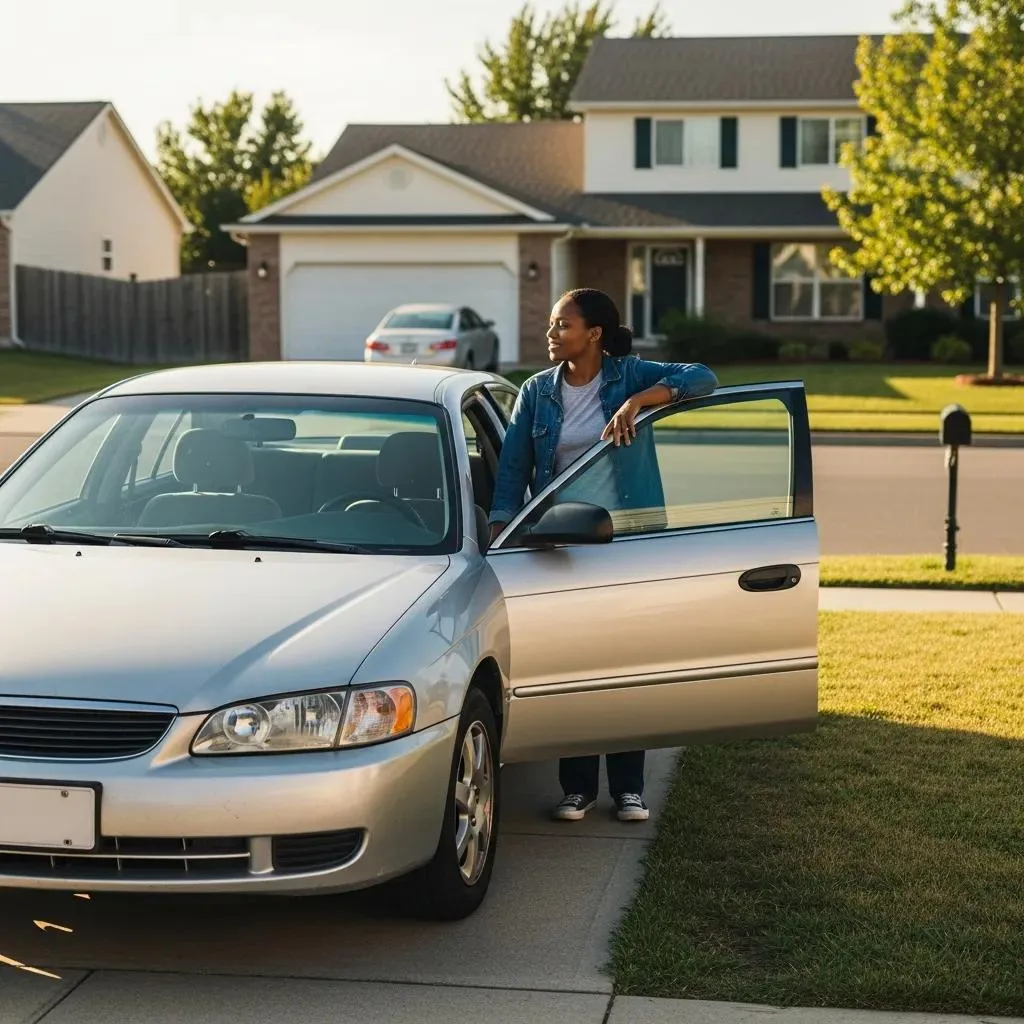
Vehicle exemptions are another critical aspect of asset protection during Chapter 7 bankruptcy. California law allows individuals to exempt a certain amount of equity in their vehicles, which can help them retain their cars while discharging debts. Understanding these exemptions is vital for anyone who relies on their vehicle for daily transportation.
What are the California vehicle exemption limits and conditions?
In California, the vehicle exemption limit is set at $5,000 for a single vehicle. However, if the vehicle is used for work or is specially equipped for a disabled person, the exemption limit can increase significantly. For instance, a vehicle modified for a disabled individual may qualify for a higher exemption of up to $15,000, allowing the owner to retain more equity. It is essential to assess the vehicle’s value accurately and understand the conditions under which these exemptions apply to ensure you can keep your car during bankruptcy.
How does secured debt affect your ability to retain your car?
Secured debt plays a crucial role in determining whether you can keep your vehicle during Chapter 7 bankruptcy. If you have a car loan, the lender holds a security interest in the vehicle, which means they can repossess it if you fail to make payments. However, if the vehicle’s value is less than the exemption limit, you may be able to reaffirm the loan and keep the car. It is essential to communicate with your lender and understand your options regarding secured debt to retain your vehicle effectively.
What is the role of secured debt treatment in protecting assets under Chapter 7 bankruptcy?
Secured debt treatment is a vital component of asset protection in Chapter 7 bankruptcy. Understanding how secured debts are handled can help individuals make informed decisions about their assets and financial future.
How are secured creditors’ rights addressed in Chapter 7 bankruptcy?
In Chapter 7 bankruptcy, secured creditors have specific rights regarding the collateral backing their loans. They can either repossess the collateral or allow the debtor to keep the asset by reaffirming the debt. This means that if you want to keep your car, you may need to continue making payments and reaffirm the loan with the lender. It is crucial to understand these rights and how they impact your ability to retain your assets during bankruptcy proceedings.
What strategies can debtors use to manage secured debt and retain property?
Debtors can employ several strategies to manage secured debt effectively and retain their property during Chapter 7 bankruptcy. One common approach is to negotiate with creditors for more favorable repayment terms or to seek a loan modification. Additionally, debtors can consider reaffirming their loans for essential assets, such as their home and car, to maintain ownership. It is also advisable to consult with a bankruptcy attorney to explore all available options and develop a tailored strategy for asset retention.
What practical steps should you take to protect your home and car in Chapter 7 bankruptcy?
Taking proactive steps to protect your home and car during Chapter 7 bankruptcy is essential for safeguarding your assets. Understanding the filing process and preparing the necessary documentation can significantly impact your ability to retain your property.
How to file for exemptions and prepare required documentation?
Filing for exemptions requires careful preparation and documentation. Begin by gathering all relevant financial documents, including proof of income, property deeds, and vehicle titles. When filing for exemptions, ensure that you complete the necessary forms accurately and submit them on time. It is also beneficial to consult with a bankruptcy attorney to ensure that you are following the correct procedures and maximizing your exemptions.
What are common mistakes to avoid when protecting assets?
When protecting assets during Chapter 7 bankruptcy, several common mistakes can jeopardize your ability to retain your home and car. These include failing to file exemption claims, not providing adequate documentation, and misrepresenting the value of your assets. Additionally, some individuals may overlook the importance of reaffirming secured debts, which can lead to the loss of essential property. Being aware of these pitfalls can help you navigate the bankruptcy process more effectively.
What is the role of the bankruptcy trustee in asset liquidation and protection?
The bankruptcy trustee plays a crucial role in the Chapter 7 bankruptcy process, overseeing the liquidation of assets and ensuring that creditors are paid. Understanding the trustee’s responsibilities can help debtors navigate the process more effectively.
How does the trustee evaluate exemptions and secured property?
The bankruptcy trustee evaluates exemptions and secured property to determine which assets can be liquidated to pay creditors. They will review the exemption claims filed by the debtor and assess whether the claimed exemptions are valid. If the trustee finds that the exemptions are not justified, they may challenge them, which could result in the loss of the asset. It is essential to provide accurate and thorough documentation to support your exemption claims.
What can debtors expect during the trustee’s review process?
During the trustee’s review process, debtors can expect a thorough examination of their financial situation and assets. The trustee may request additional documentation or clarification regarding the exemption claims. It is crucial to be prepared for this review and to respond promptly to any inquiries from the trustee. Understanding the process can help alleviate anxiety and ensure a smoother bankruptcy experience.
What frequently asked questions address common concerns about keeping your home and car in Chapter 7 bankruptcy?
Many individuals have questions about the implications of Chapter 7 bankruptcy on their ability to keep their home and car. Addressing these concerns can provide clarity and guidance during a challenging time.
Can you keep your car if you have a car loan in Chapter 7 bankruptcy?
Yes, you can keep your car if you have a car loan in Chapter 7 bankruptcy, provided that the vehicle’s equity falls within the exemption limits. If you reaffirm the loan and continue making payments, you can retain ownership of the vehicle. It is essential to communicate with your lender and understand your options to ensure you can keep your car.
How often do California exemption limits change and how are they updated?
California exemption limits are subject to periodic updates based on inflation and changes in the law. Typically, these updates occur every few years, and it is essential for individuals considering bankruptcy to stay informed about the current exemption limits. Resources such as the California Bankruptcy Code and legal professionals can provide valuable information regarding any changes to exemption limits and their implications for debtors.