

San Diego wage earners with regular income qualify for Chapter 13 bankruptcy, a reorganization plan repaying debt over three to five years without discharging it immediately. Businesses cannot file under their own name. Our firm, Schreiber Law Firm, guides San Diego homeowners facing foreclosure through eligibility review, payment cures, and structured Chapter 13 filings for lasting relief.
Key takeaways
- Chapter 13 bankruptcy requires individuals to have regular income to repay debts over three to five years.
- Businesses cannot file for Chapter 13 bankruptcy; only individuals with wage-earning capacity qualify for this option.
- Chapter 13 bankruptcy stops foreclosure and collection actions, providing immediate protection from creditors during the repayment plan.
- San Diego residents can access Chapter 13 guidance from specialized bankruptcy attorneys in La Jolla and surrounding counties.
What is Chapter 13 bankruptcy in San Diego?
Chapter 13 bankruptcy, often called wage earner bankruptcy, gives San Diego homeowners and salaried workers with dependable earnings a structured way to repay debt over time. We help clients across San Diego use this reorganization tool to protect their homes while catching up on what they owe. Unlike liquidation proceedings, this option restructures obligations through a court-approved repayment plan rather than wiping debts away outright.
Repayment installments generally stretch across three to five years, giving families room to breathe while staying current on new bills.
Does Chapter 13 stop foreclosure in San Diego?
Filing typically halts the foreclosure process on a San Diego residence almost immediately once the case begins. Homeowners then receive a defined window to cure delinquent mortgage payments through the plan, rather than losing their property outright. We guide clients through this process so missed payments don’t turn into lost homes.
Who qualifies under Chapter 13 eligibility rules?
Chapter 13 eligibility depends heavily on income stability and total debt owed. Qualification generally requires:
- A regular income requirement, meaning wages, self-employment earnings, or other steady income sources
- Compliance with debt limits California imposes on secured and unsecured obligations
- A willingness to commit future earnings to a structured, multi-year plan
We assess each client’s financial picture before recommending this path forward.
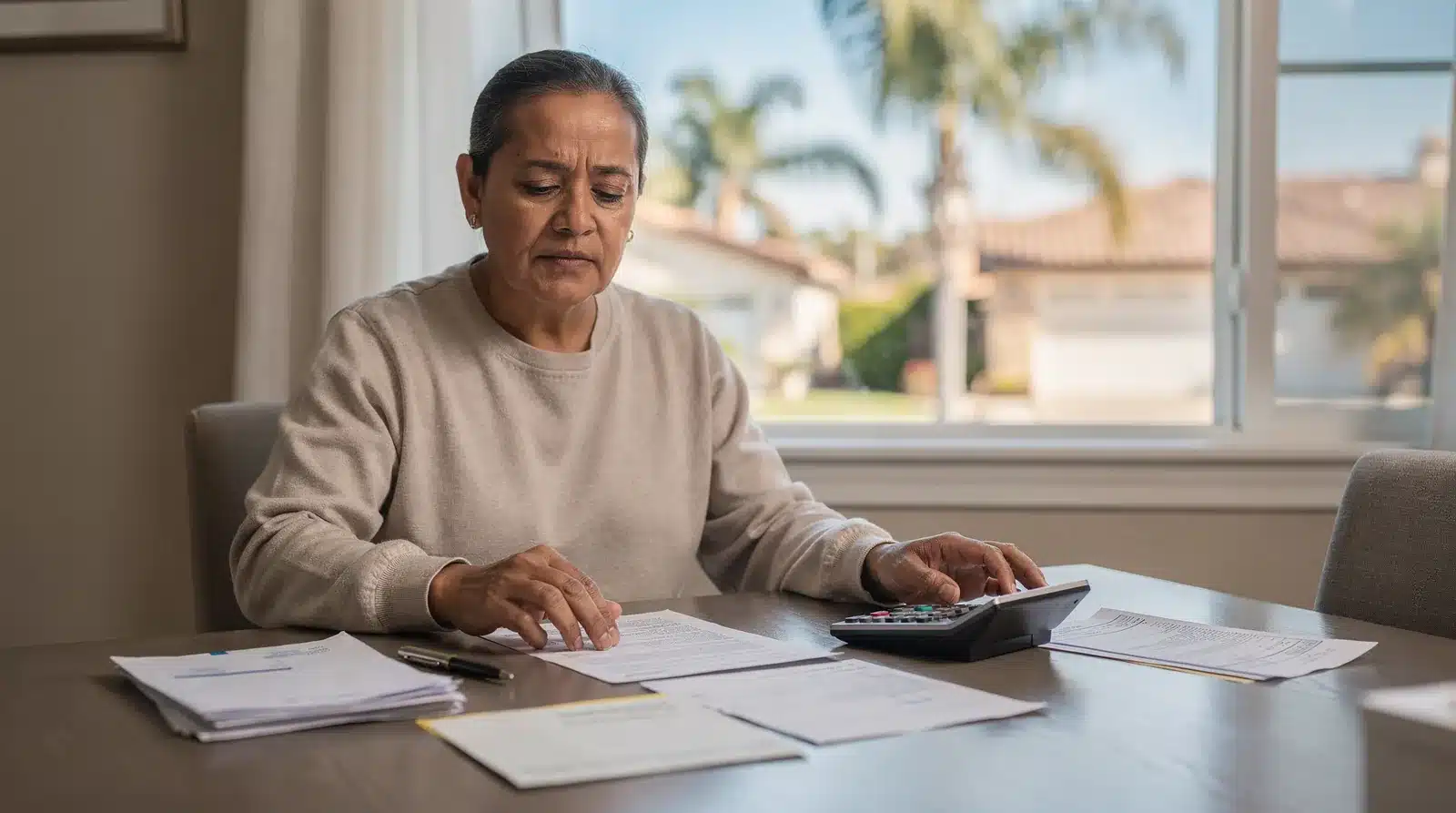
Who meets Chapter 13 eligibility in San Diego?
Steady income determines most Chapter 13 eligibility questions we hear from San Diego homeowners. Strict rules govern who qualifies, and not every debtor facing foreclosure or repossession fits the criteria. We walk San Diego clients through these rules before filing. A rejected petition wastes time when a home is already at risk.
Chapter 13 eligibility works well for many wage earners and self-employed San Diegans, but it excludes certain filers outright. Businesses, including sole proprietorships, cannot file Chapter 13 under the business’s own name. A San Diego contractor or shop owner facing debt still has options, though.
Regular income requirement rules allow that same business owner to file as an individual, folding personally guaranteed business debts into the repayment plan. This path suits San Diego tradespeople, freelancers, and small business owners whose income fluctuates but remains predictable enough to budget around.
Who cannot file for Chapter 13?
Stockbrokers and commodity brokers cannot use Chapter 13, even to discharge purely personal debts. This exception applies regardless of income stability or debt limits California law sets for other filers. Everyone else with dependable income generally has a path forward.
Does my income need to be steady?
Reliable income sits at the center of Chapter 13 qualification. San Diego homeowners behind on mortgage payments. Drivers risking car repossession, often qualify because their paychecks support a structured repayment plan. Without that steady income, the court cannot approve a workable schedule.

How can a San Diego attorney help you file?
Schreiber Law Firm guides San Diego homeowners and wage earners through every step of a Chapter 13 filing. Our attorneys evaluate chapter 13 eligibility by reviewing income stability, comparing secured and unsecured debt against the debt limits California sets for this chapter, and confirming the regular income requirement is met. Attorney, Jeffrey Schreiber has more than 45 years of experience, and more than 5,000 handled cases inform how we build each repayment plan.
Filing correctly matters more than filing quickly. Chapter 13 lets debtors keep their homes, cars, and other property while repaying creditors over three to five years instead of surrendering assets outright. Homeowners behind on mortgage payments and drivers facing repossession can use this structured plan to halt foreclosure or repossession while catching up on missed installments.
What does working with our firm look like?
We keep overhead low, so clients get proven legal guidance without big-firm pricing. Reaching us is simple: clients can call directly or schedule an appointment at either of our two San Diego-area offices, whichever works best for their situation.
Do I need to own a home to qualify?
No. Chapter 13 protection extends beyond mortgage holders to car owners struggling with overdue auto loan payments, giving both groups a path toward keeping essential property.
Qualifying for Chapter 13 bankruptcy in San Diego requires careful evaluation of your income, debts, and ability to commit to a repayment plan. Understanding these eligibility requirements represents the first step toward financial stability and a structured path forward. With proper legal guidance, you can navigate the qualification process with confidence and work toward rebuilding your financial future through this powerful debt relief option.
FAQ
Who qualifies for Chapter 13 bankruptcy in San Diego?
San Diego wage earners and self-employed individuals with regular income qualify, repaying debts over three to five years through a court-approved plan instead of liquidating assets.
Can a business file for Chapter 13 in San Diego?
Businesses, including sole proprietorships, cannot file Chapter 13 under the business’s own name. Owners must file as individuals, folding personally guaranteed business debts into the plan.
Does Chapter 13 stop foreclosure on a San Diego home?
Filing halts the foreclosure process almost immediately, giving homeowners a defined window within the repayment plan to cure delinquent mortgage payments and keep their property.
Facts
- jeffthebankruptcylawyer.com is located in La Jolla, CA, US.